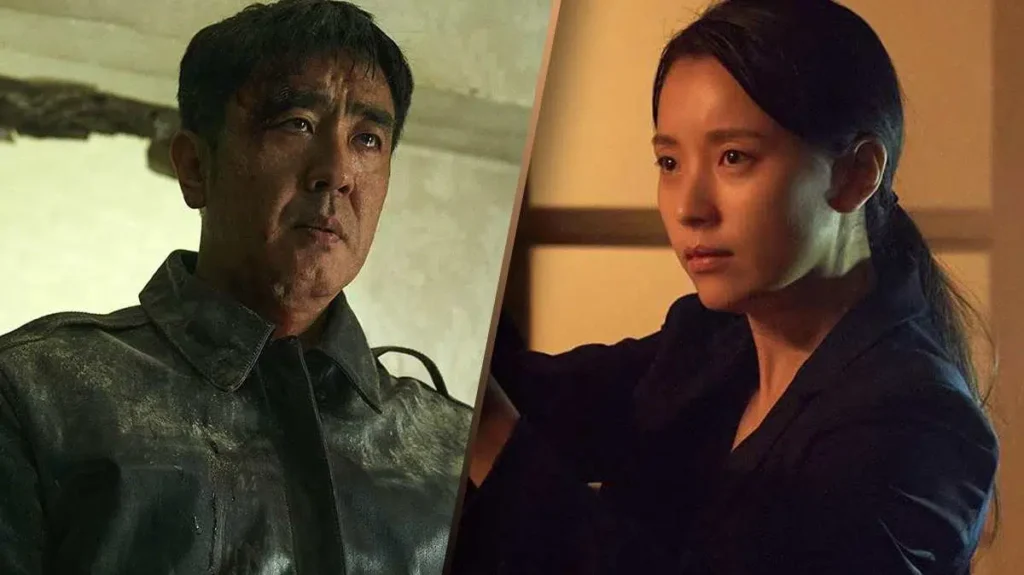

Inmatesgame – The Korean drama series, *Juvenile Justice*, captivated audiences with its raw portrayal of the juvenile justice system. The show explored complex cases involving young offenders and the judges tasked with dispensing justice. The series presented ethical dilemmas and the difficult choices faced by the legal professionals. The *Juvenile Justice ending* left a lasting impact, prompting discussions about rehabilitation and punishment.
The narrative of *Juvenile Justice* provided a critical lens on societal issues. It highlighted the challenges of addressing youth crime. Through the intricate storylines, the show offered a nuanced understanding of the legal processes involved. Ultimately, the *juvenile justice ending* served as a thought-provoking conclusion. It challenged viewers to consider the complexities of justice for young people.
The Core of Juvenile Justice: Unpacking the Series’ Themes
The central theme of the series revolves around the complexities of the *juvenile justice ending*. It showcased the difficult decisions made by the judges. The series delved into cases involving various crimes, from bullying to violent offenses. Each case prompted profound questions about culpability and the appropriate approach to justice. The series emphasized the need for careful consideration.
Read: Upcoming Japanese Anime-Based Live-Action Series
The show’s success came from its ability to offer different perspectives on crime. It presented the stories of both the victims and the offenders. The audience could understand the circumstances that led to the crimes. The dramatic portrayal of legal proceedings offered the viewers a deeper understanding of the system. The series always kept the *juvenile justice ending* in mind.
One of the most important aspects of the series involves the exploration of different approaches. These methods involved tough on crime or the focus on rehabilitation. The show highlights the conflicting philosophies. The *juvenile justice ending* presented these differing viewpoints and their implications on the characters. This added another layer to the narrative.
Judge Eun-Seok’s Role and Perspective
The Compassionate Judge: A Complex Character
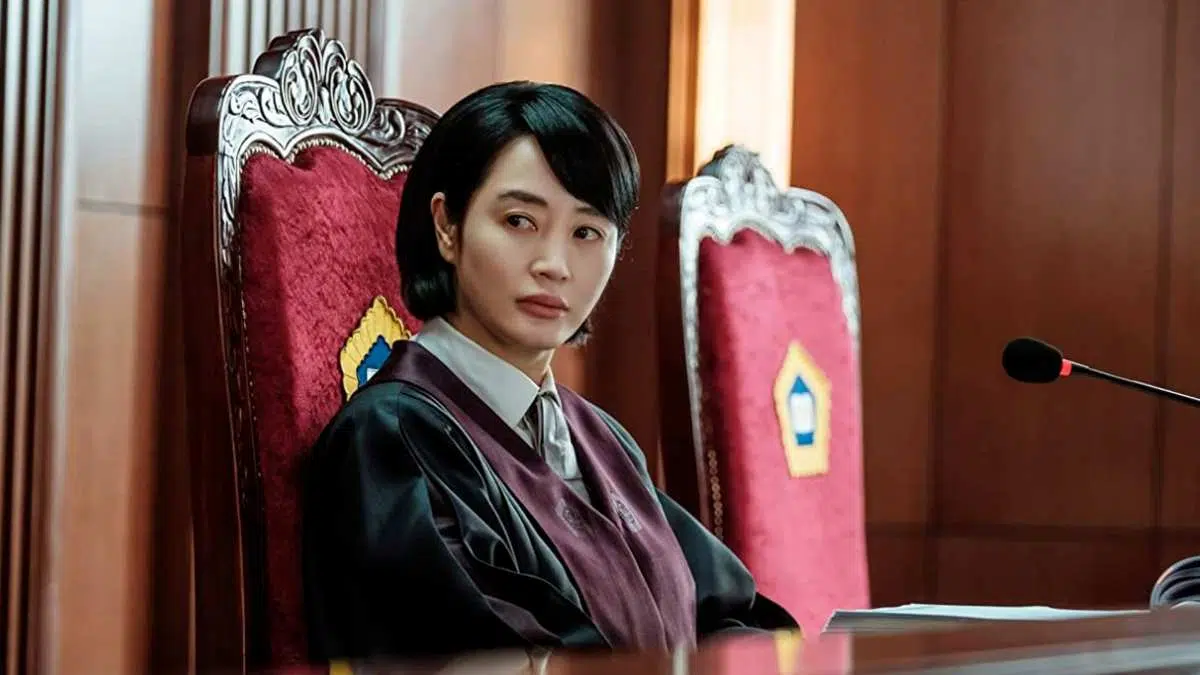
Judge Eun-Seok, the central character of *Juvenile Justice*, proved to be a complex personality. She was known for her stern demeanor, but a sense of empathy was ever-present. Her approach to the *juvenile justice ending* always involved a detailed examination of the circumstances. She believed in holding the young offenders accountable for their actions.
Read: Clever Set Design References in “Behind Every Star”
Judge Eun-Seok’s past experiences shaped her perspective. She had a personal history with the system. This contributed to her understanding of the system. She navigated the legal intricacies with a balance of firmness and compassion. Her decisions were crucial in defining the *juvenile justice ending* in the series. The audience respected her efforts.
The judge’s commitment to justice was unwavering. She frequently grappled with difficult moral questions. Her character development was a key element of the show’s success. She was always willing to examine the reasons behind the crimes. Her final choices impacted the *juvenile justice ending* and the lives of the characters involved. This was the show’s hallmark.
Analyzing Her Approach to Justice {LSI: sentencing, rehabilitation}
Judge Eun-Seok’s approach to the cases varied according to their nature. She was not a judge who would always hand out harsh sentences. Her decisions were always based on the specific circumstances. Her primary focus was on the rehabilitation of the young offenders. The *juvenile justice ending* highlighted her approach.
She emphasized the importance of the educational system. She advocated for the proper support networks to help troubled youths. Eun-Seok’s willingness to consider the long-term impact of her decisions was evident. She looked beyond the immediate punishment, in reaching a fair *juvenile justice ending* for each case. This was an interesting perspective.
Judge Eun-Seok believed that the youth could be reformed with the right support. She also understood the significance of accountability. Her decisions reflected a blend of punishment and assistance. Her decisions played a crucial role in establishing the *juvenile justice ending*. The audience appreciated this multifaceted approach.
The Impact of the Show’s Finale
The Aftermath and the Final Verdicts
The *juvenile justice ending* in the show left a lasting impact. The final verdicts of the show provided closure to the main characters. They reflected the diverse challenges faced by the offenders. The ending sparked a debate on the most suitable approaches to youth crime. The series left viewers pondering the best ways to tackle youth crime.
Read: Alice in Borderland S3 Episode 1 Breakdown – The Joker Appears
The finale presented a realistic portrayal of the outcomes for the young offenders. Some offenders faced serious consequences. Some of them got a chance at rehabilitation. The *juvenile justice ending* highlighted the varying degrees of success and failure. This showed the complexities of rehabilitation. The ending showed the nuances of the system.
The final moments of the series left the audience to ponder the long-term implications. The final decisions left questions about the path forward for justice. The *juvenile justice ending* offered a glimpse into the ongoing struggles faced by the legal system. It challenged the audience to think critically about justice.
Public Reaction and Societal Implications
The public reaction to the show’s ending was widely debated. The finale spurred conversations about the role of the legal system. The viewers started to talk about the different approaches. The *juvenile justice ending* served as a catalyst for discussions about the handling of youth offenses. People started to think about the justice system.
The show’s popularity prompted the authorities to have another look. People started examining the efficacy of juvenile justice policies. The show also opened an important discussion about the impact of socio-economic factors. These were affecting young people’s involvement in crime. The *juvenile justice ending* encouraged critical assessments.
The series’ influence expanded far beyond entertainment. It was useful in bringing issues of juvenile justice to the public attention. *Juvenile justice ending* was a symbol. The show provided an impetus for change. It led to a broader understanding of youth crime. The ending also created a demand for policy changes.
Key Takeaways from the Series Finale
Reflecting on the Show’s Lessons
The series offered several important lessons about justice and society. The *juvenile justice ending* illustrated the significance of compassion in the justice system. The series taught viewers about the multifaceted issues that can contribute to juvenile delinquency. The show inspired conversations about rehabilitation.
The series showed that there is no easy fix for youth crime. It highlighted the challenges in the juvenile justice system. The *juvenile justice ending* emphasized that effective solutions needed a comprehensive approach. This approach considered both the offender and their environment. The show provided important perspectives.
The show presented the need for empathy and understanding. It showed us that we must treat young people with respect. The *juvenile justice ending* served as a reminder of our collective responsibility. The show encouraged people to focus on supporting young people. This would contribute to preventing future offenses.
Conclusion
The *juvenile justice ending* of the show served as a significant conclusion in ScreenRant. It successfully portrayed the complexities of juvenile justice. The series gave a valuable insight into the lives of young offenders. It also showed the professionals who worked with them. The show opened a space to discuss crime and rehabilitation.
The show explored complex themes and left viewers with a lot to think about. It brought up tough questions. It encouraged viewers to question the status quo. The *juvenile justice ending* was also a powerful message about the need for fairness. It also showed the significance of compassion in the legal system.
The ending of *Juvenile Justice* will be remembered for its nuanced storytelling. It gave a compelling portrayal of justice. It encouraged meaningful discussions about youth crime. The *juvenile justice ending* served as a reminder of the need to support and protect young people. It also advocated for the justice system.